
Aditi Deodhar writes about the hidden health danger inside children’s schoolbags—plastic tiffin boxes—and how Pune schools are adopting a Bloomberg-style approach to protect child health through simple, high-leverage school policies.
Introduction: The Danger No One Sees
If you had asked me a few years ago what the most dangerous thing in a child’s schoolbag is, I would have listed the usual suspects—heavy textbooks, junk snacks, maybe even digital distractions.
I was wrong.
The real threat is something so ordinary, so normalized, and so colourful that no one questions it: a plastic tiffin box.
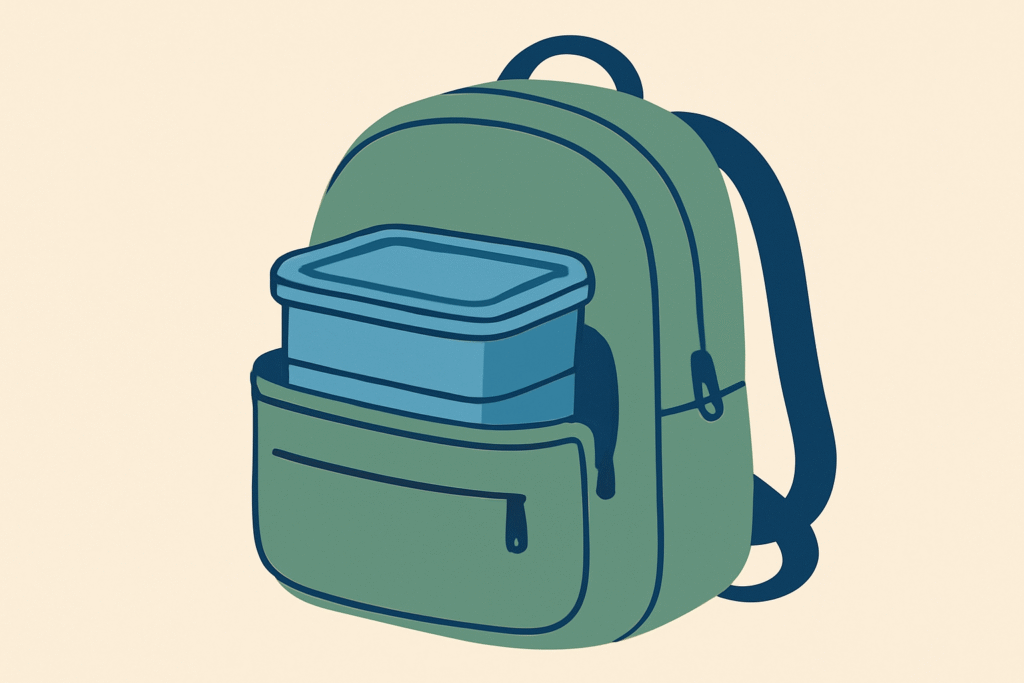
It sits in the schoolbag every single day. It holds hot dal, curd rice, poha, fruits, and snacks. And even at normal room temperature, it quietly leaches microplastics and endocrine-disrupting chemicals into food.
The more I learned, the more I realised:
this isn’t a waste problem — it’s a public health problem.
And public health problems need bold, structural solutions.
That’s when I turned to an unlikely inspiration from New York City.
What Michael Bloomberg Taught Me About Impossible Public Health Problems
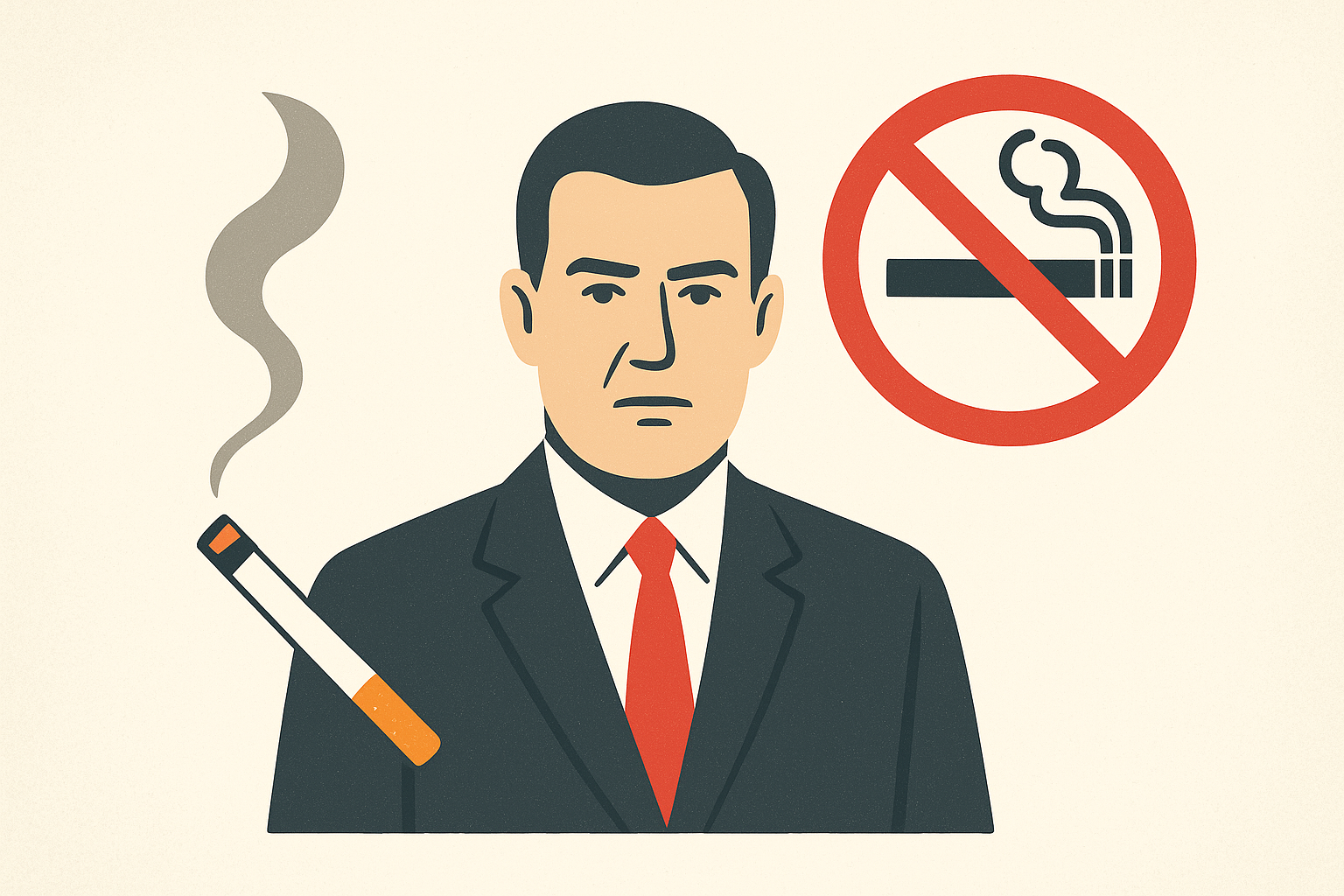
When Michael Bloomberg decided to ban smoking in restaurants and bars in New York City, almost everyone thought he was foolish.
“Impossible.”
“Unpopular.”
“Political suicide.”
“People will revolt.”
He still did it.
Not because it was easy, but because it was right.
Bloomberg understood something fundamental:
big problems don’t get solved by timid actions.
They require political courage, upstream interventions, and an unapologetic focus on health.
This became my compass while thinking about Pune’s challenge with children’s plastic tiffins.
If Bloomberg could take on Big Tobacco, surely we can take on Big Plastic in schoolbags.
The Science Was Clear — But Behaviour Wouldn’t Change on Its Own
Parents love their children.
Parents want the best for their children.
So why do most families still send food in plastic containers?
Because they are:
- convenient
- colourful
- cheap
- everywhere
- not labelled with any warnings
- socially normalized
Most parents have no idea that even at room temperature, plastic containers leach harmful chemicals. They don’t know paper cups contain plastic. They don’t know microplastics infiltrate food and bloodstreams.
How do you fight an invisible danger?
You do what Bloomberg did: Make the invisible visible. Then act decisively.
Why Principals Are the System’s Hidden Leverage Point (Thank You, Donella Meadows)
As I mapped this problem, I kept returning to Donella Meadows’ iconic essay Leverage Points: Places to Intervene in a System.
Meadows argued that real, lasting change doesn’t come from working on symptoms — it comes from shifting the rules, structures, and defaults that guide daily behaviour.
And in the school ecosystem, one leverage point stood out clearly:
the school principal.
A principal can do with one circular what hundreds of parent workshops cannot:
rewrite the rules of the system.
A simple decision like
“From now on, steel tiffins only”
changes:
- school norms
- family routines
- what children consider “normal”
- how the city manages waste
- the long-term exposure of an entire generation
Instead of working child by child or family by family, we acted upstream, where change cascades automatically.
Bloomberg taught me scale.
Meadows taught me where to push.
Principals gave me the doorway.
A School Policy That Protects Children’s Health — Instantly
Once we began talking to principals, something incredible happened.
They understood immediately.
They cared.
They were willing to lead.
Many principals told us:
“We can’t control the air children breathe outside school.
But we can ensure their food — the most intimate part of their day — isn’t poisoned by plastic.”
Steel tiffin boxes were not just a “zero-waste measure.”
They became a child health and well-being intervention.
Public health + education + sustainability = one simple decision.
What Parents Told Us (And Why This Matters)
Once schools issued the guideline, parents were surprisingly relieved.
They said:
- “Thanks, now we know what’s safe.”
- “We always suspected plastic wasn’t good, but didn’t know alternatives.”
- “Steel lasts longer — we should have done this earlier.”
Sometimes people are waiting for someone to draw the line for them.
Principals did that.
The Way Ahead: Pediatricians, Nutritionists & PTAs
Now that principals are on board, our next high-credibility allies are:
💠 Pediatricians
If a child’s doctor says “no plastic tiffins,” parents listen.
💠 Nutritionists
They shape what goes into the tiffin — they should also shape what the tiffin is made of.
💠 Parent–Teacher Associations (PTAs)
They ensure continuity, support, and reinforcement across the whole school community.
These three groups form the next ring of high-leverage influence — capable of turning a school-level movement into a city-wide norm.
And eventually, a national one.
This Is Bigger Than a Lunchbox
A plastic tiffin is not just a container.
It is:
- a public health threat
- a chemical exposure pathway
- a source of microplastics
- a contributor to city waste
- an invisible everyday risk
When we replace it with steel, we are not just changing a box.
We are changing the system that normalised toxic convenience.
As Donella Meadows would say,
we are rewriting the rules that shape behaviour.
As Bloomberg would say,
we are acting boldly for the public good.
And as a city committed to the health of its children,
Pune is taking a generational step forward.
Conclusion: The Revolution Begins in a Schoolbag
Every great public-health movement starts with a simple question:
What small change can protect many lives?
For us, that change fit right inside a schoolbag.
A steel tiffin box may look ordinary.
But in reality, it is a symbol of:
- child safety
- science in action
- leadership in schools
- systemic thinking
- and Pune’s commitment to its future generation
This is our Bloomberg moment.
This is our Meadows moment.
And it began with one dangerous object we decided to eliminate.
Bloomberg style.
Meadows logic.
Pune courage.
Brilliant article. Eyeopener. Congratulations on the manner in which dependence on plastics is eing tackled.
One more point to add to the plastic tiffin box is not just a container, it is also a normalising of the highly polluting extractive processes of natural resources, and an comtinuing dependency on fossil fuels.
Brilliant idea of spreading awareness about microplastic infiltration of food and its rectification by making it compulsory to use stainless steel tiffin box instead of plastic box in schools.
An appropriate measure for right cause !!!
Very good idea 👍 Nice n helpful article ! Excellent research n action by Aditi 😇
Congratulations Aditi and team rechakra for this excellent initiative to deal with a very serious issue in an effective manner. Thankyou for this article too that will definitely inspire and guide readers who would want to take on such social issues.